Comprehending Lens Replacement Surgical Procedure: Trick Insights And Elements


Personnel Author-Waddell Lamont
Lens exchange surgery, often called lens replacement, has become an increasingly popular option for patients seeking permanent vision correction. If you're dealing with refractive errors including nearsightedness, farsightedness, or presbyopia, this procedure provides a customized approach that might meet your needs. With the rising need for effective and lasting alternatives to glasses and contact lenses, understanding the fine points of lens replacement surgery is crucial for prospective patients.
In this detailed overview, we will examine everything you need to know before considering lens replacement surgery. From the benefits and risks associated with the procedure to recovery timelines and potential complications, we aim to equip you with vital information to help in informed decision-making. You will also find insights comparing lens replacement surgery to more common procedures like LASIK, which helps you decide on the best path for your unique vision requirements. Join us as we investigate the realm of lens replacement surgery and uncover what steps you can take towards clearer vision.
Overview of Lens Replacement Surgery
Lens replacement surgery, also known as clear lens exchange, is a surgical procedure designed to enhance eyesight by replacing the eye's original lens with an implanted one. This procedure is particularly beneficial for individuals suffering from vision issues due to clouded lenses, farsightedness, or high refractive errors, such as severe nearsightedness or long-sightedness. By removing the original lens and implanting a personalized lens, patients can achieve clearer vision and reduce their need on eyewear or contact lenses.
The surgery is typically performed on an same-day basis using modern methods to guarantee accuracy and protection. Using regional anesthesia, the surgeon makes a minimal incision in the eye to access the lens. The innate lens is then smoothly removed and replaced with a premium intraocular lens designed to the recipient’s specific vision needs. This procedure not only provides immediate visual benefits but also has the capability to stop future sight impairments that may arise from age-related lens changes.
Recovery from lens replacement surgery is generally swift, with most patients experiencing enhanced clarity shortly after the procedure. However, as with any operation, it is important to consider the associated dangers and side effects involved. Understanding the benefits and constraints of lens replacement surgery is crucial for anyone evaluating this treatment, as it empowers them to make wise determinations regarding their ocular wellbeing and corrective measures.
Advantages and Risks
Intraocular lens surgery offers several benefits that can significantly enhance vision clarity. One of the primary advantages is the ability for permanent vision improvement, especially for those with high prescriptions or age-related vision loss. Many patients experience enhanced clarity at various distances after surgery, reducing or lowering their reliance on spectacles or contact lenses. Additionally, advanced technologies such as high-quality lens options, including accommodating and extended depth of focus lenses, can improve overall visual outcomes.
However, like any surgical procedure, lens replacement carries intrinsic risks. Potential complications may include contamination, inflammation, or problems related to the implanted lens, such as dislocation or incorrect positioning. Refractive Lens Exchange Results might also face temporary side effects like brightness, halos, or variable vision during the recovery phase. It is essential for candidates to have realistic expectations and understand that while most outcomes are favorable, not every individual will achieve flawless vision.
Additionally, other considerations must be addressed before pursuing lens replacement surgery. The eligibility of a patient for the procedure can depend on various factors, including age, corneal thickness, and overall eye health. An experienced ophthalmologist can provide a comprehensive evaluation and guide candidates through the decision-making process, explaining both the benefits and complications associated with lens replacement surgery tailored to their individual situations.
Candidacy and Consultation Process
Establishing candidacy for surgery to replace lenses is a crucial step in the vision correction journey. Potential candidates are typically people who experience vision problems such as loss of near vision, severe nearsightedness, or serious cataracts. Those seeking permanent vision correction often explore options like tailored lens replacement or refractive lens replacement. During the consultation process, your optometrist will assess your overall eye health, eye prescription, and individual vision needs to make sure that lens replacement is the most suitable choice for you.
The consultation process typically includes a thorough eye assessment, including tests to measure how thick the cornea is, the condition of the retina, and the existence of other vision problems. Additionally, your surgeon will talk about your lifestyle choices and vision aspirations, helping to tailor the procedure to your individual needs. Understanding your expectations is important, as it matches your wished-for results with what lens replacement surgery can realistically achieve.
Once you are identified as a qualified candidate, your ophthalmologist will explain the procedure phases, possible risks, and advantages. This includes discussing options for premium lens implants, such as accommodative lenses or lenses for extended depth of focus. Candidates should discuss the recovery period and what to predict after surgery, such as any adverse effects or issues that might happen. Learning yourself during the consultation process equips you to make well-informed choices regarding your vision health and choices for vision correction.
Price and Financing Options
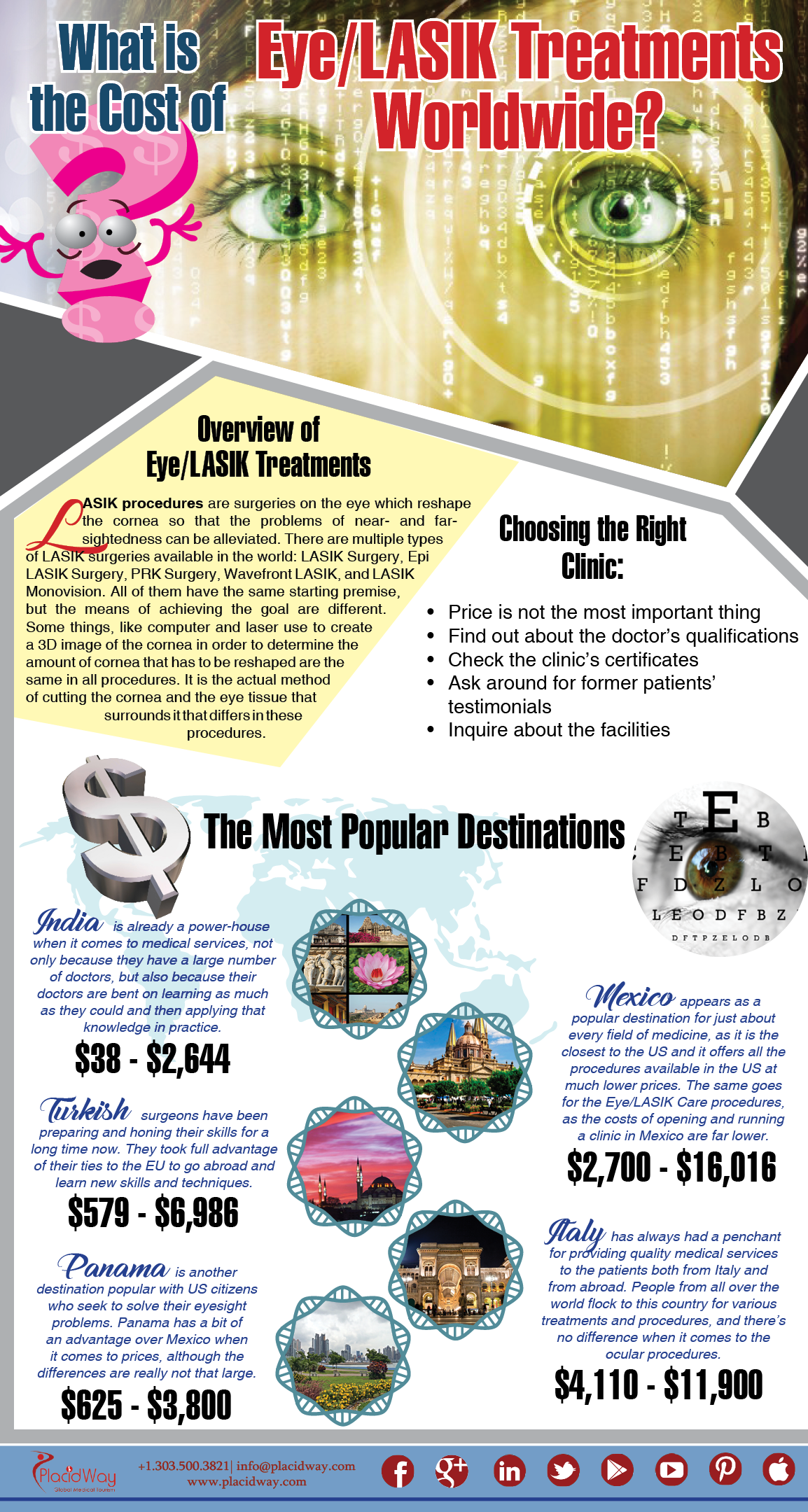
The price of lens procedures can vary considerably depending on various factors, including the type of lens options chosen, the surgeon's expertise, and the site of the surgery. In 2026, patients can anticipate to spend between a couple of thousand USD to over ten thousand for high-quality lens options and state-of-the-art technology. It is crucial to have a clear grasp of what the overall expenses will be, including pre-operative appointments and any post-operative visits.
Financing options are offered to help make lens replacement easier to access. https://health.usnews.com/health-care/patient-advice/articles/2017-09-21/what-to-know-about-lasik-surgery offer payment plans with low or no fees, enabling patients to spread the cost over time. Furthermore, utilizing HSA or Flexible Spending Accounts can also be advantageous. Such accounts enable patients to set aside money without tax for healthcare expenses, which can significantly lower the overall out-of-pocket expenses.
Before proceeding with the surgery, it is advisable to ask about a comprehensive price breakdown during the consultation process. This entails understanding all potential hidden fees and what is included the quoted cost. Additionally, some clinics provide comprehensive rates, which covers everything from the initial consultation to after surgery treatment, ensuring there are no unexpected costs along the way.